Installing the client: what's free and what isn't
A new player who installs the World of Warcraft client today gets a genuine free trial, not a stripped-down demo. Blizzard runs a Starter Edition that lets an account play the base game up to a level cap without a subscription, so the first stretch of the game is truly free to play — the honest answer to "is WoW free to play now" is yes, up to a point, and the point is a fixed level ceiling rather than a time limit. The official World of Warcraft site is the place to create that account and download the client, and it is also where current subscription and expansion pricing is listed for a reader's own region and currency, since those figures change and are worth checking directly rather than trusting a number printed elsewhere.
Once a character on Starter Edition reaches that cap, further leveling, chat in general channels, and several other systems lock until the account has an active subscription. That is the second half of the free-to-play answer: WoW is free to reach a low-to-mid level and see whether the game suits you, and a subscription is what unlocks the rest of the leveling range, dungeon finder access, and the guild and trade features that make the game feel complete. This is the same shape Blizzard has used for years — an unrestricted low-level trial funneling into a paid subscription — and it is described in general terms in the game's own overview on Wikipedia, which frames WoW as a subscription-based MMORPG rather than a one-time purchase or a free-to-play title with microtransaction gating.
There is a third cost layer above the subscription: the current expansion. Subscribing restores access to the base game and everything below the current expansion's content, but the newest zones, raids, and level-cap increase are gated behind buying that expansion separately. So the full cost stack for a returning or new player who wants everything current looks like this:
| Access tier | What it unlocks | Payment required |
|---|---|---|
| Starter Edition | Play up to the free level cap | None |
| Active subscription | Full leveling range, dungeon finder, guilds, older expansions' content | Recurring monthly fee |
| Current expansion purchase | Newest zones, level cap increase, current raid tier | One-time purchase, on top of subscription |
Anyone budgeting for "getting back into WoW" should check the price of both the subscription and the current expansion on the official site before assuming a single fee covers everything, because the two are billed and sold separately.
Creating a character: race, faction, and realm
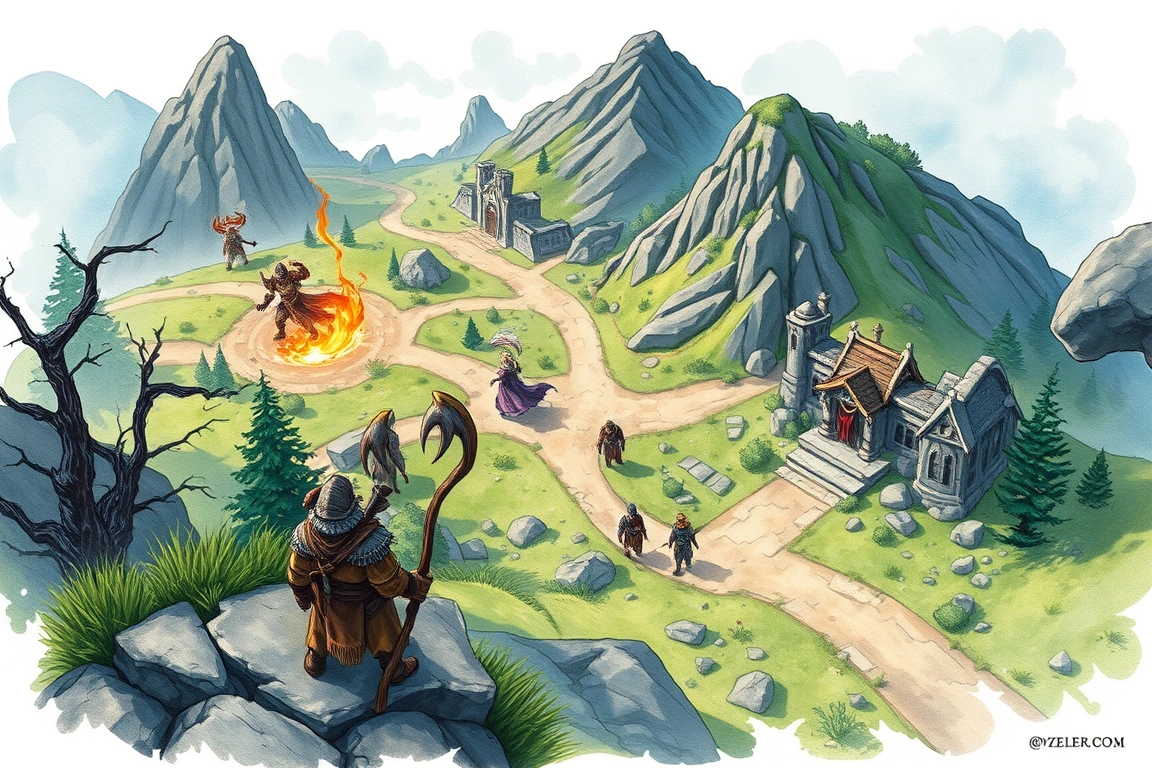
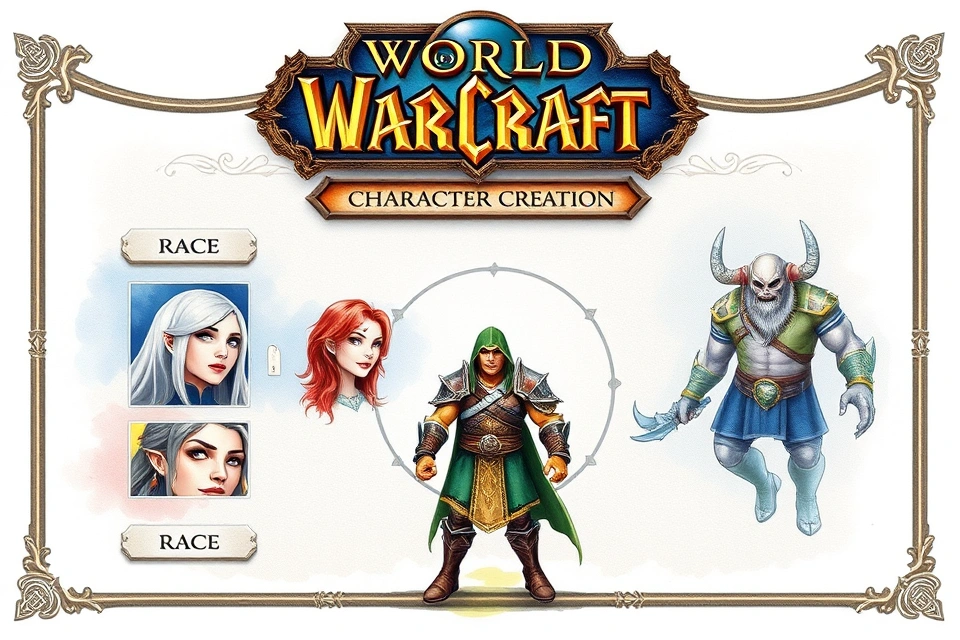
Character creation asks for a race first, and that choice cascades into decisions the new player may not realize are permanent-feeling at the time. Selecting a race locks the character into one of the game's two factions, and that faction determines who the character can group with, trade with, and even talk to in the open world. The game's broader lore and structure — including the split between playable races and their factional alignment — is summarized in the World of Warcraft overview on Wikipedia, which describes the setting of Azeroth and the character options built around it.
For anyone planning to play with existing friends, faction is the first thing to coordinate, not an afterthought. A character on one faction cannot party, raid, or generally communicate in-game with a character on the other, regardless of level or realm. That means the practical steps before creating a character look like this:
- Ask which faction the friend group already plays — check an existing character's faction rather than guessing from race names alone.
- Match that faction when picking a race, since faction is fixed by race at creation.
- Confirm the realm the group plays on, since characters on different realms generally cannot group together either, faction aside.
- Create the new character on that same realm and faction combination before investing time in it.
Realm and faction can sometimes be changed after the fact through paid character services, but that is a correction, not a starting assumption — a new player who skips step 3 or 4 above commonly ends up with a character that can level fine but simply cannot play alongside the people they wanted to play with. This single mismatch is one of the most common beginner mistakes in the game, precisely because character creation does not warn players clearly that faction and realm are the two variables that determine who can group together.
Leveling through Azeroth: zones, gear, and the expansion cycle
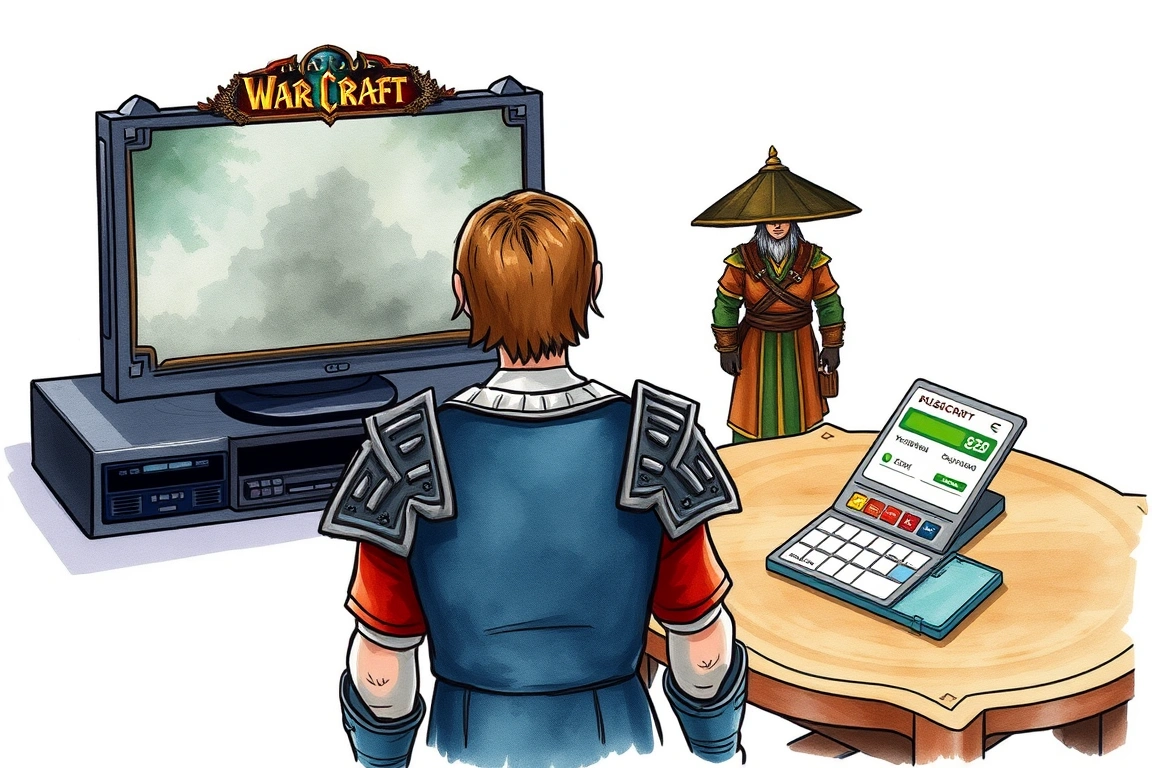
Leveling is the loop that carries a character from the tutorial zone to whatever the current level cap is, and it runs almost entirely through Azeroth's zones — questing, dungeons, and world content that scale to the character's level. As a character levels, harder zones and dungeons open up, and the items those zones drop scale upward too, so level and item quality rise together rather than independently. This progression structure — a shared game world with zones gated by character level — is part of what the research overview of World of Warcraft as an electronic game describes when discussing the game's persistent-world design and its ongoing content model.
Expansions are the mechanism that periodically raises the level cap and adds a fresh set of zones above whatever came before, and each new expansion effectively resets what "endgame" content looks like for a returning player. Between expansions, numbered patches add further content to the live game without raising the cap — new dungeons, story chapters, or systems layered onto the existing top-level zones. This is why "is WoW worth playing right now" is really a question about where the patch and expansion cycle currently sits: early in an expansion's patch cycle there is a long runway of content still coming, while late in a cycle a player is mostly waiting for the next expansion's beta and preseason.
For a reader deciding whether now is a good moment to start or return, the practical check is:
- Is the current expansion recently released, or is it aging toward its final major patch?
- Has Blizzard announced or begun testing the next expansion?
- Does the current level cap and gear tier match what the reader remembers, or has it moved substantially since they last played?
None of these questions have a single evergreen answer, since the cycle moves with each expansion and patch, but the official site always states the current expansion name, its latest patch, and what content is active, which is the fastest way to answer "is it still alive and worth playing" for the moment a reader actually reads this.
What a WoW subscription actually costs
The subscription is the recurring fee that lifts the Starter Edition's level cap and restores full access to chat, trade, guilds, and the dungeon finder queue. It is billed on a recurring schedule, and Blizzard sells it in multiple prepaid blocks — commonly a single month alongside longer prepaid terms that lower the effective monthly rate the longer the term. Because the exact price differs by region and currency and shifts over time, the only reliable number to hand a reader is a direction, not a figure: the official World of Warcraft site lists current subscription pricing, including any multi-month or prepaid tiers, quoted in the visitor's own regional currency.
A subscription can also be paid for using in-game gold rather than real currency, through a token system that lets other players buy that token with real money and sell it on the in-game auction house — a workaround worth knowing about even though its gold cost floats with server economy rather than being a fixed number. Whatever payment method is used, the subscription by itself does not include the current expansion; as covered above, that is priced and sold separately, and a player who subscribes without buying the current expansion will find themselves capped just below the newest content rather than locked out entirely.
Retail vs. Classic: picking the right version
Anyone downloading the client today is actually choosing between two different games under one launcher, and conflating them is a common source of confusion for new and returning players alike. Retail is the live, continuously updated game — the one with the current expansion, current level cap, and the ongoing patch cycle described above. Classic is a separate, static-ruleset version (or versions) recreating earlier eras of the game, run on its own realms with its own leveling curve and item pool, entirely apart from retail's characters and progress.
| Retail | Classic | |
|---|---|---|
| Content | Current expansion and live patch cycle | Fixed earlier-era ruleset, its own progression |
| Level cap | Rises with each new expansion | Fixed to the era being recreated |
| Character sharing | Not shared with Classic | Not shared with Retail |
| Subscription | Same subscription covers access | Same subscription covers access |
| Expansion purchase | Required for current-expansion content | Not applicable in the same way |
The World of Warcraft overview traces the game's history from its original release through its long run of expansions, which is the same history Classic realms are built to recreate in fixed slices. A single subscription covers access to both, but characters, gold, and items do not transfer between them — so a friend who says they play "WoW" may mean either version, and it is worth asking which before assuming a new character on one will let you play alongside them.
System requirements for the current expansion
Before installing anything, a prospective player should check whether their PC actually meets the current expansion's requirements, since each expansion cycle has occasionally raised the bar from what older expansions needed. Requirements are typically published as separate minimum and recommended specifications — minimum being the floor at which the game runs at reduced settings, recommended being the target for smoother performance at higher settings. Because these figures change with each expansion and are tied to specific CPU, GPU, RAM, and storage figures, the only place to get an accurate, current answer is the official system requirements listed on the World of Warcraft site, rather than relying on a spec list quoted from a past expansion's launch.
A returning player who last checked hardware requirements several expansions ago should treat that old information as stale by default. Storage requirements in particular tend to grow with each expansion's added assets, and a machine that ran the game comfortably in an earlier era can fall under the current minimum without any change to the PC itself — the bar simply moved. Checking the current listing before reinstalling avoids the common frustration of downloading a large client only to find performance unplayable at existing settings.
Is it worth starting now
Whether WoW is worth playing right now depends less on the game's age and more on where the current expansion sits in its patch cycle, which is checkable rather than a matter of opinion. A game described on its own storefront and in independent overviews as a long-running, subscription-based MMORPG with a persistent world in Azeroth — as the Wikipedia overview and the research summary of the game both describe it — has by design kept adding content for as long as it has run, which is itself the strongest evidence that it remains active rather than sunset.
The practical way to judge "worth it" for your own situation is to run through the same short checklist a returning player uses for the patch cycle: confirm the current expansion and its latest patch on the official site, note whether that patch is a fresh content drop or the tail end before the next expansion, and weigh the subscription plus expansion cost against how much of that content you'd actually reach. A brand-new player answering a simpler question — can I try this before paying anything — already has the clearest answer available: install the client, play the Starter Edition up to its free cap, and decide from there whether the subscription and the current expansion are worth buying into.